
Childhood, Reproduction, and Society
A Princess of MarsThis flow traces the Thark egg system and its consequences, contrasting communal child-rearing with the hidden family bond that shapes Sola’s life.
increasing Bearing strength in each event
 decreasing
Bearing strength in each eventdecreasingEggs Selected for Survival
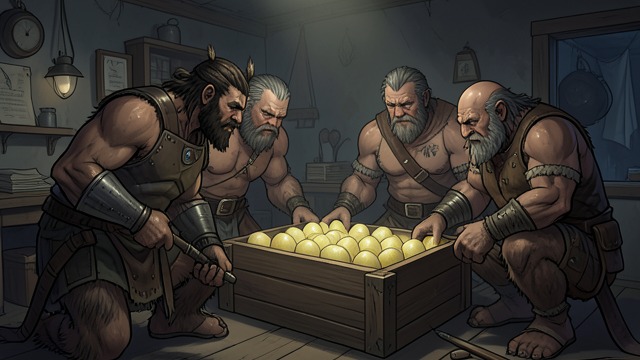
Reproduction as Policy
A controlled population
Thark leaders examine eggs and preserve only a small number for incubation. Selection is designed to maintain a population suited to a resource-starved world.
Efficiency at human cost
The system treats potential children as communal products rather than members of particular families. Its practical logic helps preserve the community but denies individual parents a recognized role.
Five Years in the Incubator
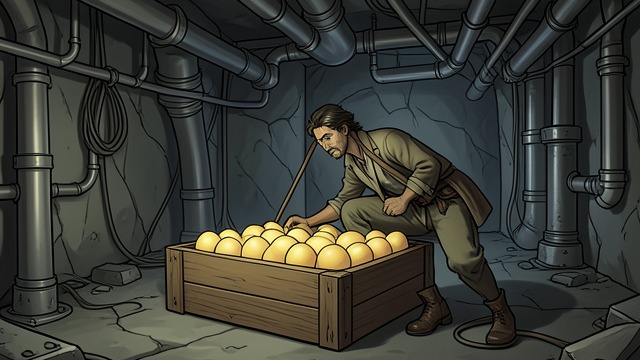
Growth Held in Storage
Delayed hatching
Selected eggs remain in storage before being moved into an incubator, where they develop through a further five-year period. The long cycle makes population planning deliberate and vulnerable to disruption.
A community depends on secrecy
Incubators are placed far from rival groups, since destroying one can eliminate a community’s expected generation. Reproduction becomes both a biological process and a military concern.
Children Assigned by Chance
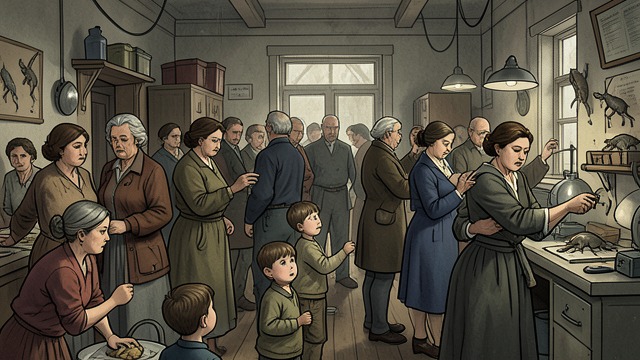
Care Without Parentage
A gauntlet of adults
New hatchlings run between two lines of women and older children, who capture them and become their guardians. Sola takes a child despite having no biological connection to him.
Carter’s moral response
Carter sees the process as part of the Tharks’ loss of family feeling. The practice ensures care of a basic kind, yet removes the emotional continuity that personal parenthood might create.
Gozava Hides Her Child
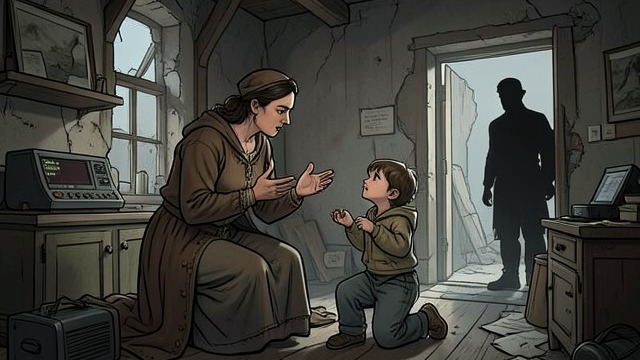
Parenthood Against the System
A private act of care
Gozava hides Sola and visits her in a ruined tower, teaching her the language and history of their people. Her actions create the maternal bond that communal life usually suppresses.
A secret with consequences
Sarkoja discovers the hidden child, and the family’s safety collapses. Their story reveals what the official system excludes: a child’s need to know who loves and protects her.
A Daughter Recognized
Kinship Returns to Public Life
A father named
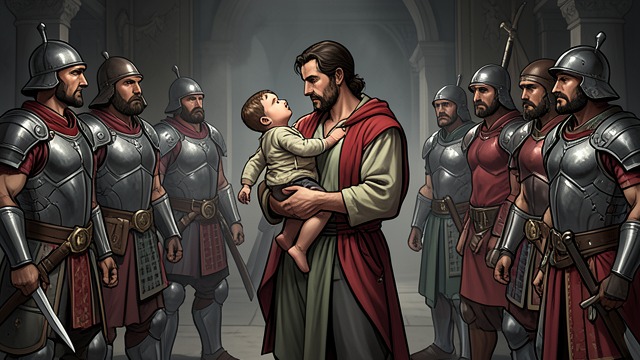
Carter tells Tars Tarkas that Sola is his daughter and that Gozava protected the secret until her death. The revelation connects Thark politics to a suppressed family history.
Recognition as change
Tars Tarkas acknowledges Sola openly before the warriors. The act cannot undo the system’s earlier damage, but it gives fatherhood and daughterhood a visible place in the new leadership.
Each annual Thark egg review
The five years before a Thark hatchling emerges
The hatchling ceremony near Korad
During Sola’s early childhood
After Carter reveals the secret to Tars Tarkas
